Car Insurance
Flexible protection for everyday vehicles, drivers and families. Safex helps Canadian drivers understand required coverage, compare optional protection and build an auto policy around how they actually drive.
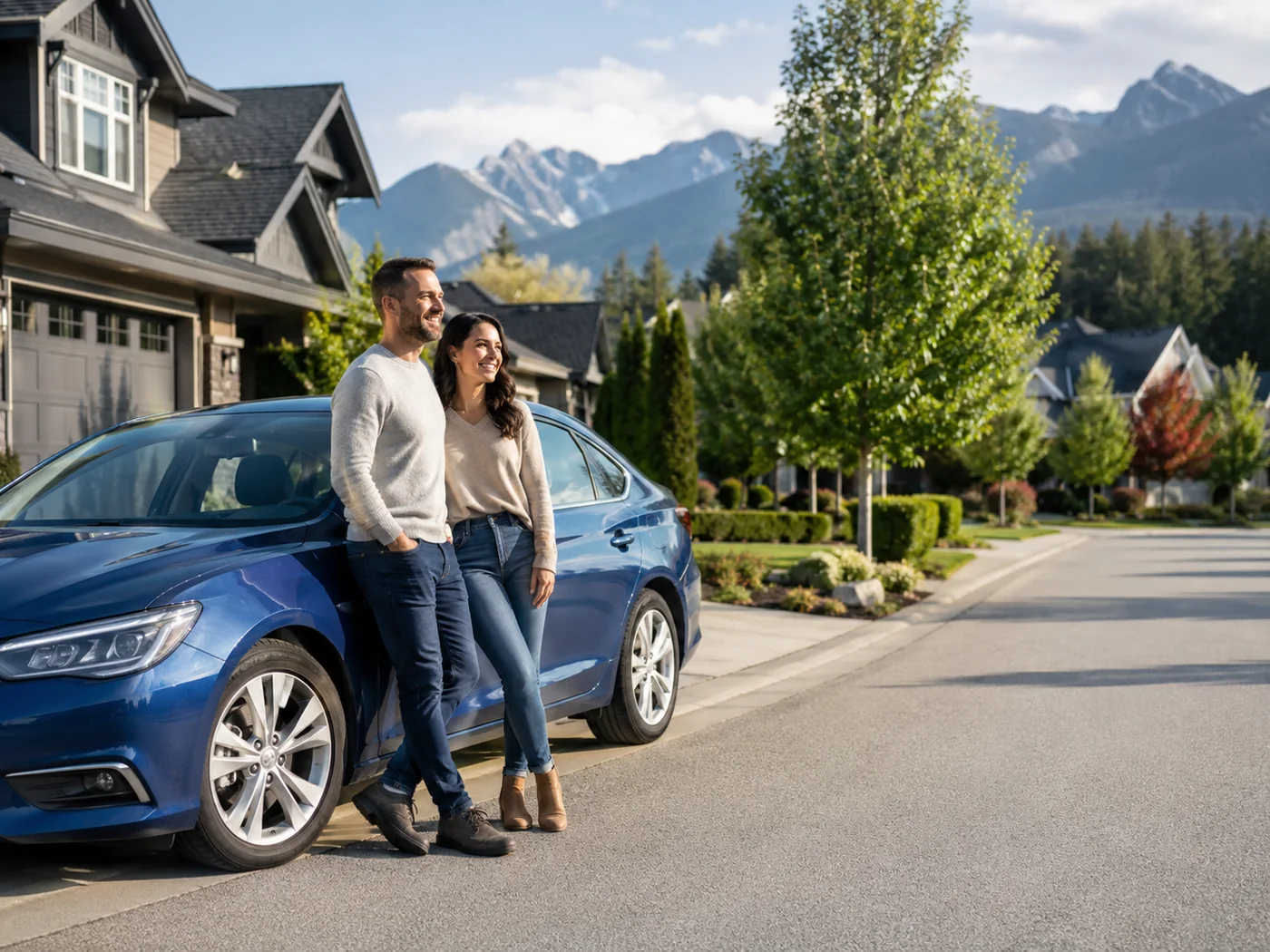

What is car insurance?
Car insurance protects you against specific financial losses connected with owning and operating a vehicle. In Canada, every province and territory has its own auto insurance framework, so the required coverages, minimum limits and claim rules can differ.
Your policy can also include optional protection for your own vehicle and additional endorsements. A strong comparison looks at coverage wording, limits, deductibles and eligibility—not just the lowest premium.
Coverage designed around real driving risks
Your exact policy depends on provincial rules, insurer eligibility and the options you select. These are common areas to review with a licensed broker.
Third-Party Liability
Can respond when an insured driver is legally responsible for covered bodily injury or property damage to others, subject to the applicable auto insurance system.
Core protectionAccident Benefits
Depending on your province, benefits can help with certain medical, rehabilitation, income-replacement or other accident-related costs for eligible people.
Rules vary by provinceCollision or Upset
Optional physical-damage coverage can help repair or replace your vehicle after an insured collision or upset, less the applicable deductible.
Vehicle damage optionComprehensive
Can protect against many non-collision losses such as theft, vandalism, fire, falling objects and certain weather-related damage, subject to wording.
Non-collision protectionSpecified / All Perils
Some insurers offer alternative physical-damage forms with different covered causes of loss. Availability and wording can vary by market and vehicle.
Policy-form optionsOptional Endorsements
Loss-of-use, rental vehicle liability, depreciation-waiver and other endorsements may be available to expand protection for eligible drivers and vehicles.
Customize your policyOptional protection worth discussing
Optional coverage is most useful when it addresses a financial loss you would not want to carry yourself.
Loss of Use
May help with eligible temporary transportation or rental costs while your vehicle is being repaired after an insured loss.
Depreciation Waiver
Available on some newer eligible vehicles and can change how certain total losses are settled during the endorsement period.
Family Protection
Certain jurisdictions and insurers offer endorsements intended to provide added protection when an at-fault motorist has inadequate insurance.
Rental Vehicle Protection
Some endorsements can extend specified policy protection to eligible non-owned or rented vehicles, subject to conditions and limits.
Why car insurance prices can differ
Two similar drivers can receive different premiums because insurers assess many rating factors together.
Coverage for everyday Canadian households
Your policy should reflect who drives, what they drive and the financial responsibility you want the policy to carry.
Have the right details ready
Accurate information helps produce a more meaningful quote and reduces surprises when the application is reviewed.


Know what to do when something happens
Safety comes first. Good documentation and prompt reporting can also make the claim process easier to navigate.
Questions drivers ask before buying coverage
Use these answers as a starting point, then confirm province-specific rules and insurer wording with your broker.

What does car insurance cover in Canada?+
Auto insurance combines required coverages set by your province or territory with optional protection you choose. Depending on where you live and the insurer, coverage can include third-party liability, accident benefits, collision or upset, comprehensive, specified perils, all perils, loss of use and other endorsements.
Is car insurance mandatory in Canada?+
Yes. Drivers must carry the auto insurance required in the province or territory where the vehicle is registered and operated. Required coverages and minimum limits are not identical across Canada, so your broker can explain the rules that apply to your location.
What is third-party liability coverage?+
Third-party liability can respond when an insured driver is legally responsible for bodily injury or property damage to others, subject to the policy terms and applicable provincial system. Limits can often be selected above the minimum required amount.
What is the difference between collision and comprehensive coverage?+
Collision or upset generally addresses insured damage to your vehicle from impact with another vehicle or object, or from an upset. Comprehensive generally addresses many non-collision causes such as theft, vandalism, fire, falling objects and certain weather events. Deductibles, exclusions and wording vary.
Do I need collision and comprehensive on an older vehicle?+
That is a personal financial decision rather than a one-size-fits-all rule. Consider the vehicle value, repair or replacement cost, your deductible, financing or lease requirements and how much loss you could comfortably absorb yourself.
What affects the cost of car insurance?+
Pricing can be influenced by province, postal area, driver experience, driving and claims history, vehicle type, annual distance, commute, use of the vehicle, listed drivers, selected limits, deductibles and optional endorsements. Insurers can weigh these factors differently.
Can I reduce my car insurance premium?+
Possible savings can include combining eligible home and auto policies, insuring more than one vehicle, choosing suitable deductibles, maintaining a strong driving record, using approved telematics programs where offered, and keeping your policy information accurate. Discounts vary by insurer and eligibility.
Do occasional or newly licensed drivers need to be listed?+
Tell your broker about every licensed household member and anyone who regularly or occasionally drives the vehicle. Whether a person must be listed, rated, excluded or treated another way depends on insurer rules and provincial requirements. Accurate disclosure helps avoid coverage problems.
What should I do after a car accident?+
Prioritize safety, call emergency services when needed, exchange required information, document the scene when safe, obtain witness details if available and report the loss promptly to your insurer or broker. Do not admit fault at the scene; fault is determined under applicable rules and claim investigation.
What information is needed for a car insurance quote?+
Have the names and licence details of drivers, vehicle year/make/model or VIN, address, current insurance details, driving and claims history, annual kilometres, commute distance, vehicle use, financing or lease information and the coverages or deductibles you want to compare.
How do I get a quote?+
Start the guided quote and a licensed broker can review your needs.
Can coverage be customized?+
Yes. Final availability and pricing depend on insurer eligibility and underwriting.


Build a car insurance quote around your drivers and vehicles.
Tell Safex what you drive, who drives it and the protection you want to review. A licensed broker can help explain available options and insurer requirements.